Building a Bolt rival in two days, with a critic that peeked
HEPHbuild turns a prompt into a playable game slice. Seven services around it got their first commit on the same August day, a critic judged 321 pieces of it against Bolt, and I read the retrospective before I believed the score.

Seven repositories got their first commit on August 23, 2026. By the end of the next day the builder alone had 648 commits, most of them signed off by a critic that had compared each piece against Bolt. This is the story of that fleet, the loop that built it, and the bug that outlived both.
HEPHbuild is a builder for game prototypes in the style of Bolt, the commercial prompt-to-app tool. Type a prompt, get a playable HTML slice in a live preview, iterate on it, compare candidates side by side, publish a share link. In the studio's lore it's ANVIL, after Mulciber, the Roman name for Hephaestus, "softener of iron": the bench spirit that makes raw intent soft enough to take a shape.
A builder on its own doesn't do much. It needs sign-in, a way to call models without handing vendor keys to every app, somewhere to keep design docs and game data, and somewhere to host what it makes. So the builder became the headline tool of a fleet.
The fleet
| Forge | What it does |
|---|---|
| ANVIL | HEPHbuild itself: prompt to playable slice, iterate, compare, publish. |
| GATE | One sign-in across every Metal Games site, plus an LLM gateway with its own keys and credits ledger. |
| wiki-forge | Shared wiki and game-design-doc packs. |
| data-forge | Game data packs. |
| skill-forge | Design skills packs for agents. |
| SLICE | Hosts playable slices. |
| nodez | A catalog of workflow nodes. |
| THE HALL | The operator hub: service catalog, health probes, admin. |
Seven of them started on August 23. THE HALL followed the next morning.
A critic for every piece
The pace came from a loop, not a sprint. The work was cut into small numbered pieces. Each piece was built, then a critic compared the result against a bar: saved snapshots of Bolt doing the same thing. The critic picked a winner, the piece was committed, the next one was dispatched. Hard port locks (the builder on 3001, the wiki on 3003, the gate on 3777) and isolated browser profiles kept parallel agents from trampling each other.
The loop ran to piece 321. In the commit log, "critic pick ours" appears 302 times and "critic pick bar" 46 times.
Tiny pieces, blind critics, commit cadence, port and browser locks.The loop's own summary of why it worked
The retrospective, written the next day, was honest about the rest. Blind comparison was mostly absent: the critic usually knew which side was ours. The coordinator kept waiting on subagents instead of continuing the loop, until I stepped in and steered. Some work landed on the wrong branch and had to be cherry-picked back. Under "cost and friction" it says "not tracked." A six-to-one win rate from a critic that can see the labels is a good sign, not a verdict.
The 502 that wasn't
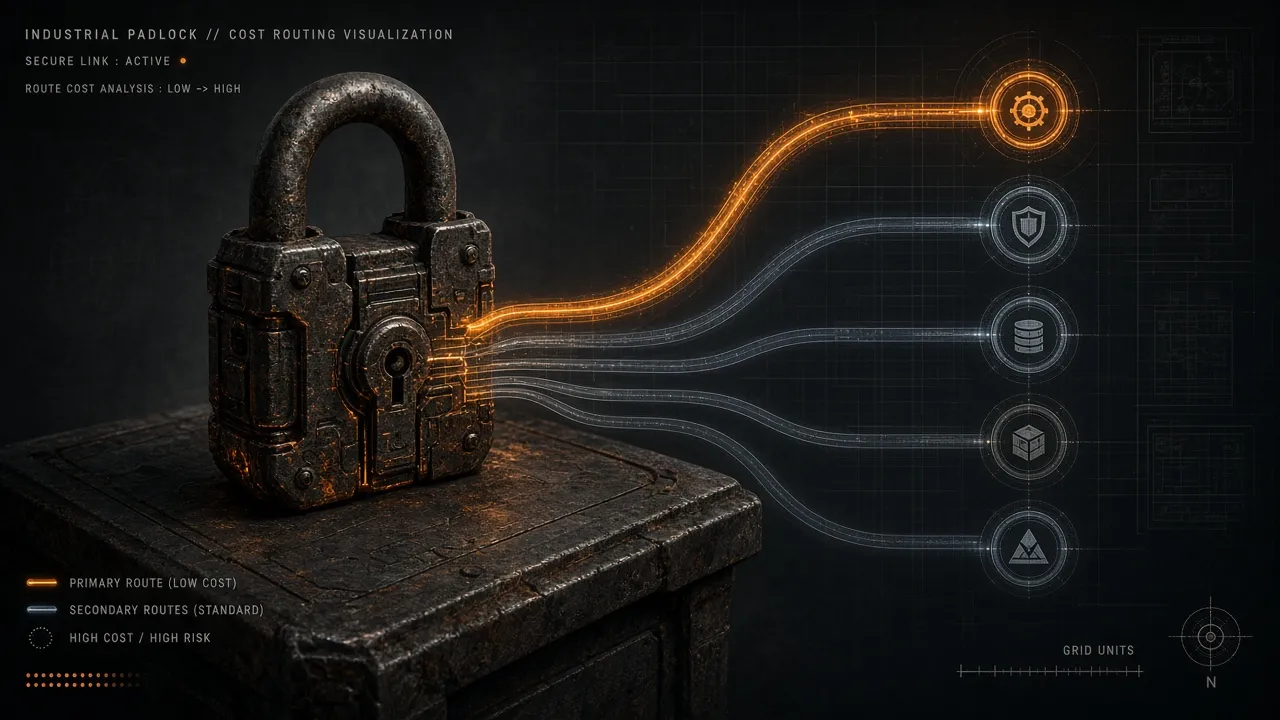
The hardest bug of the arc wasn't in the builder. When HEPHbuild switched to calling models through GATE, production generation never came back healthy. First it returned a 502 "Not Found": the gateway URL had /v1 on the end and the client added another, so it was calling an endpoint that didn't exist. Once that was fixed it returned "Insufficient account credits", which looked like an empty provider account and sent the debugging off toward environment variables.
It wasn't the provider. It was GATE's own credits ledger answering with a 402, wrapped by the builder so it read like an upstream failure. The retrospective's verdict on that piece was "bar wins." The route was right and the wallet was empty. The lesson went into the docs in bold: verify the route contract before you debug the environment.
Cheap on purpose
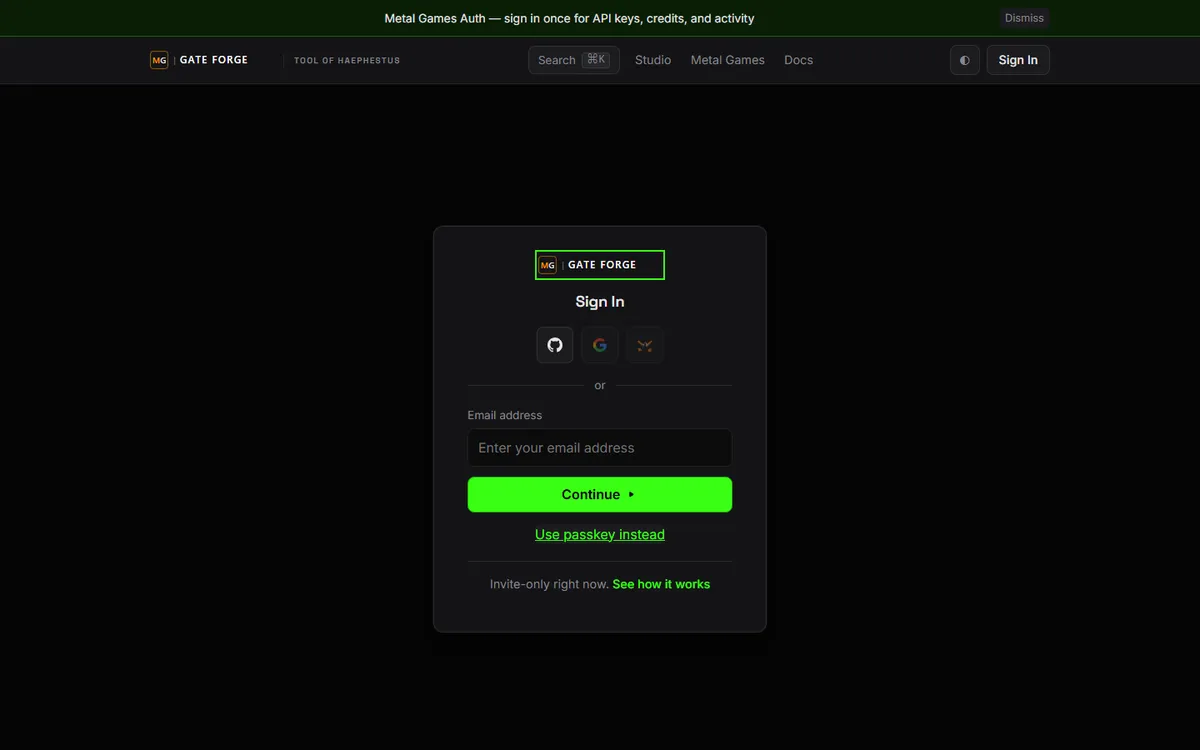
The builder defaults to a small model. The operator agents run on Grok 4.1 Fast by default. GATE takes your own vendor keys, runs a free lane alongside so a fresh key does something useful in its first minute, and picks the cheaper provider that can actually serve the model. The speed bar I care about most is the quick-build path, which on my own dogfood felt like about two seconds from prompt to playable. The fleet is invite-only and the critic still can't be trusted blind. Two seconds is the number I'm keeping.